Ship Loader
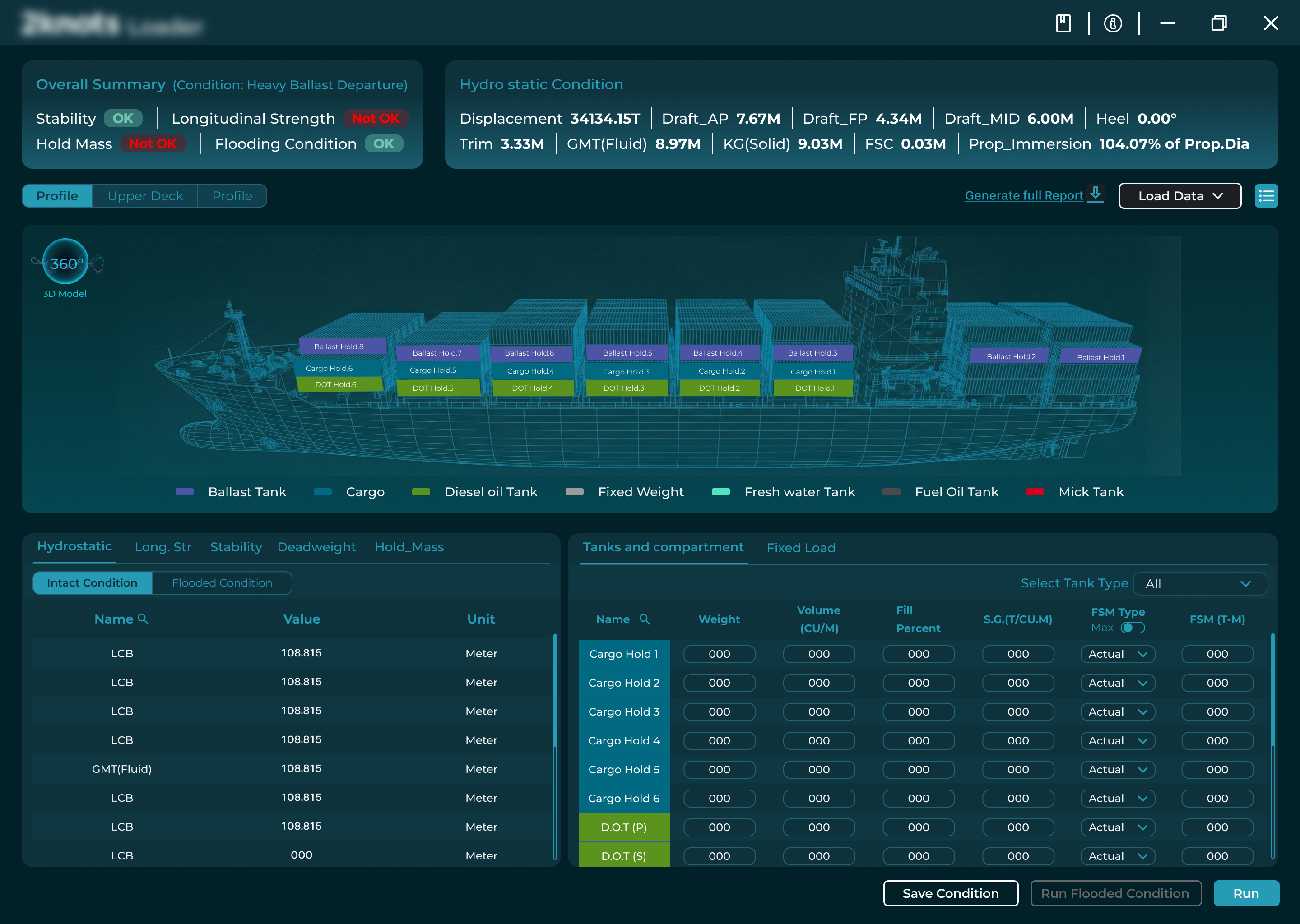
Designing a Safety-Critical Interface for Real-Time Cargo & Stability Operations. Collaborated on the UX redesign of a ship loader, transforming an outdated interface into a clear, real-time decision-support system that enables safer and faster cargo operations onboard.
Collaboration Overview
Role
UX Designer
Duration
1 month
UX Team
1 UX Designer (Sole Designer)
Collaborators
Product Manager, Development Team, Stakeholders
Context
During loading and unloading, officers must continuously monitor stability, tank levels, and structural limits under high pressure and tight timelines. The existing system made this harder than it needed to be — key information was buried, navigation was slow, and visual clarity was poor, especially in low-light bridge environments.
Problem
The legacy Ship Loader interface lacked the visibility and clarity required for real-time operations:
Hidden Critical Data
Critical data was hidden within cluttered screens, making it hard to find essential information quickly.
No Clear Hierarchy
No clear hierarchy for alarms, limits, or primary metrics, increasing cognitive load for operators.
Complex Navigation
Complex navigation slowed operators during time-sensitive tasks when every second matters.
Poor Contrast & Visuals
Poor contrast and outdated visuals reduced readability, especially in low-light bridge environments.
Objective
Research, strategize, and redesign a modern Ship Loader experience that improves clarity and scannability of critical data, reduces cognitive load during multitasking, and enables faster, safer cargo handling decisions.
Research & Discovery
Due to limited access to onboard users, research relied on secondary sources and cross-functional collaboration with the Product Manager and developer.
Methods
- Industry articles, manuals, and maritime safety guidelines
- Functional review of the existing loader (contextual enquiry)
- Regular discussions with PM and dev to validate assumptions
Key Research Areas
- What a Ship Loader is and why it is used
- Primary and secondary users and their working conditions
- User needs, pain points, and safety risks
- Gaps in the existing product's functionality and UX
Users, Their Environment & Pain Points
Primary Users
- Chief Officer
- 2nd Officer
- Cargo Planner (occasionally)
Secondary Users
- Marine Superintendent
- Surveyor
- Safety Officer
Working Conditions
- High-pressure, time-sensitive operations
- Continuous real-time data updates
- Low-light bridge or control room environments
- Frequent multitasking and context switching
User Pain Points
- Outdated UI with poor color contrast
- Cluttered screens and scattered information
- Slow navigation between related data points
- No intuitive hierarchy for alarms or warnings
UX Scope & Design Considerations
Visibility & Readability
High-contrast dark mode optimized for bridge/control rooms
Clear Information Hierarchy
Group related data logically with primary metrics first
Data Visualization
2D/3D ship profile, color-coded tanks, trend indicators
Confirmation & Error Prevention
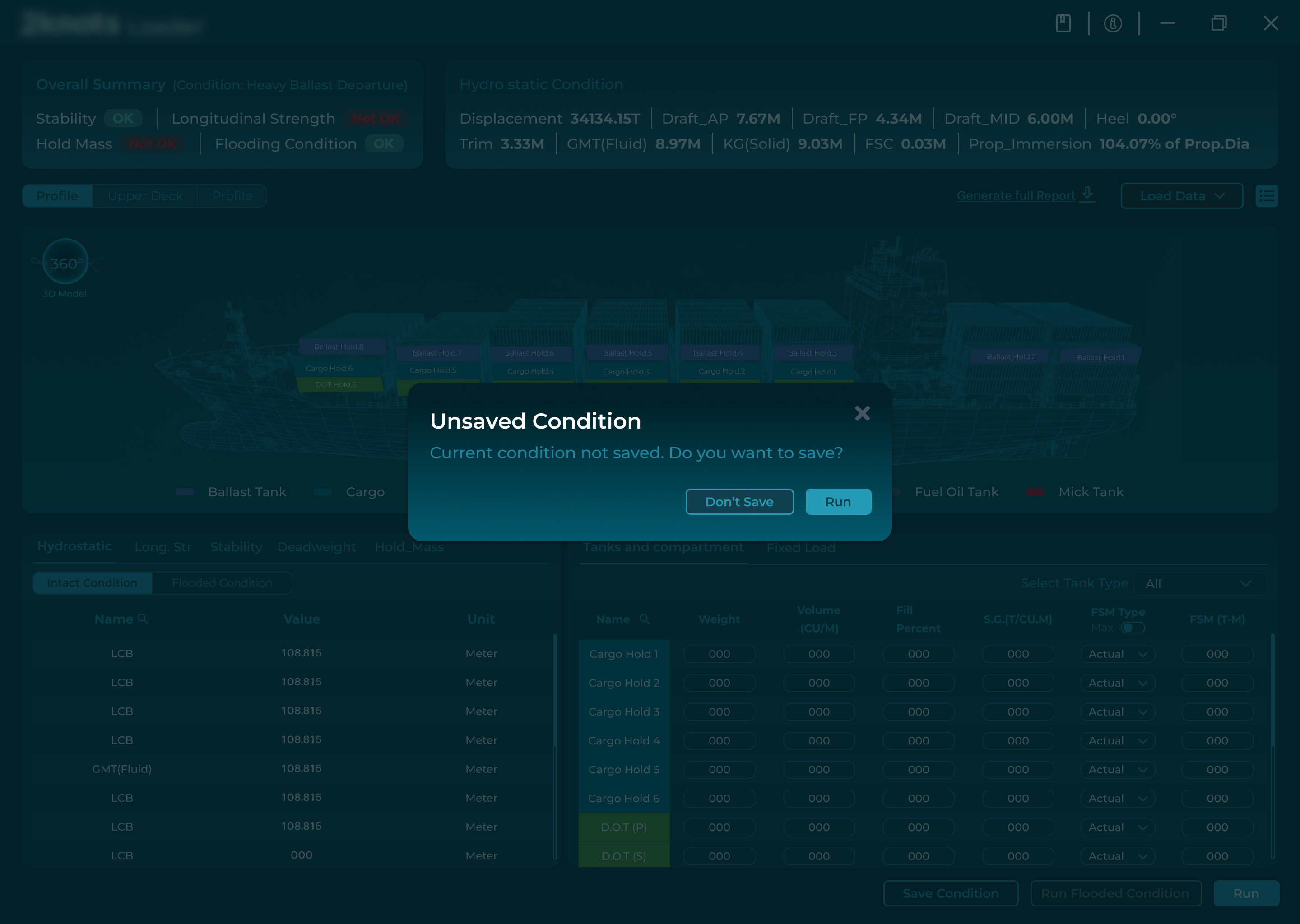
Guardrails for unsafe inputs and visual warnings
History & Previous Data
Access historical loading conditions for audits
Final Design
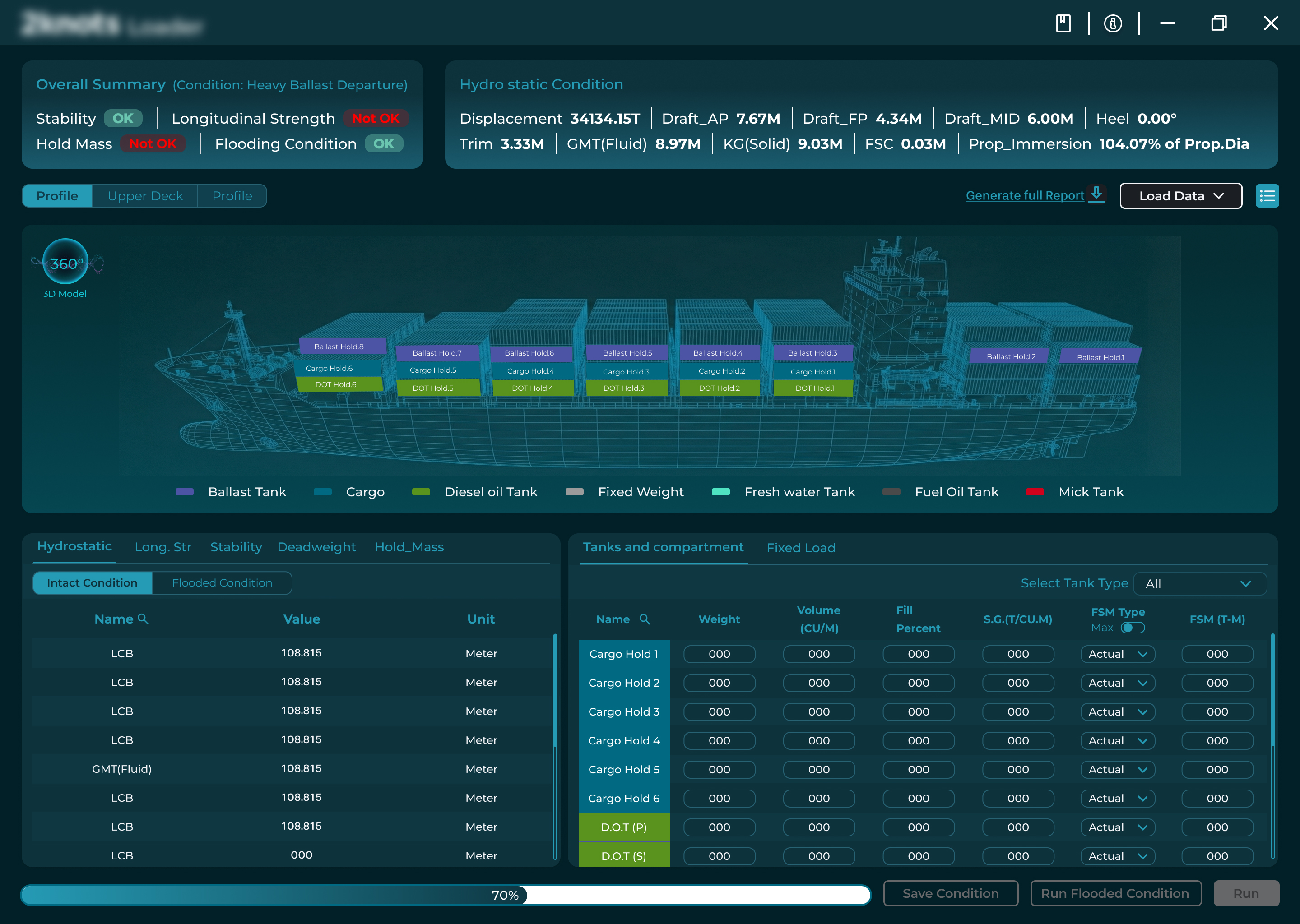
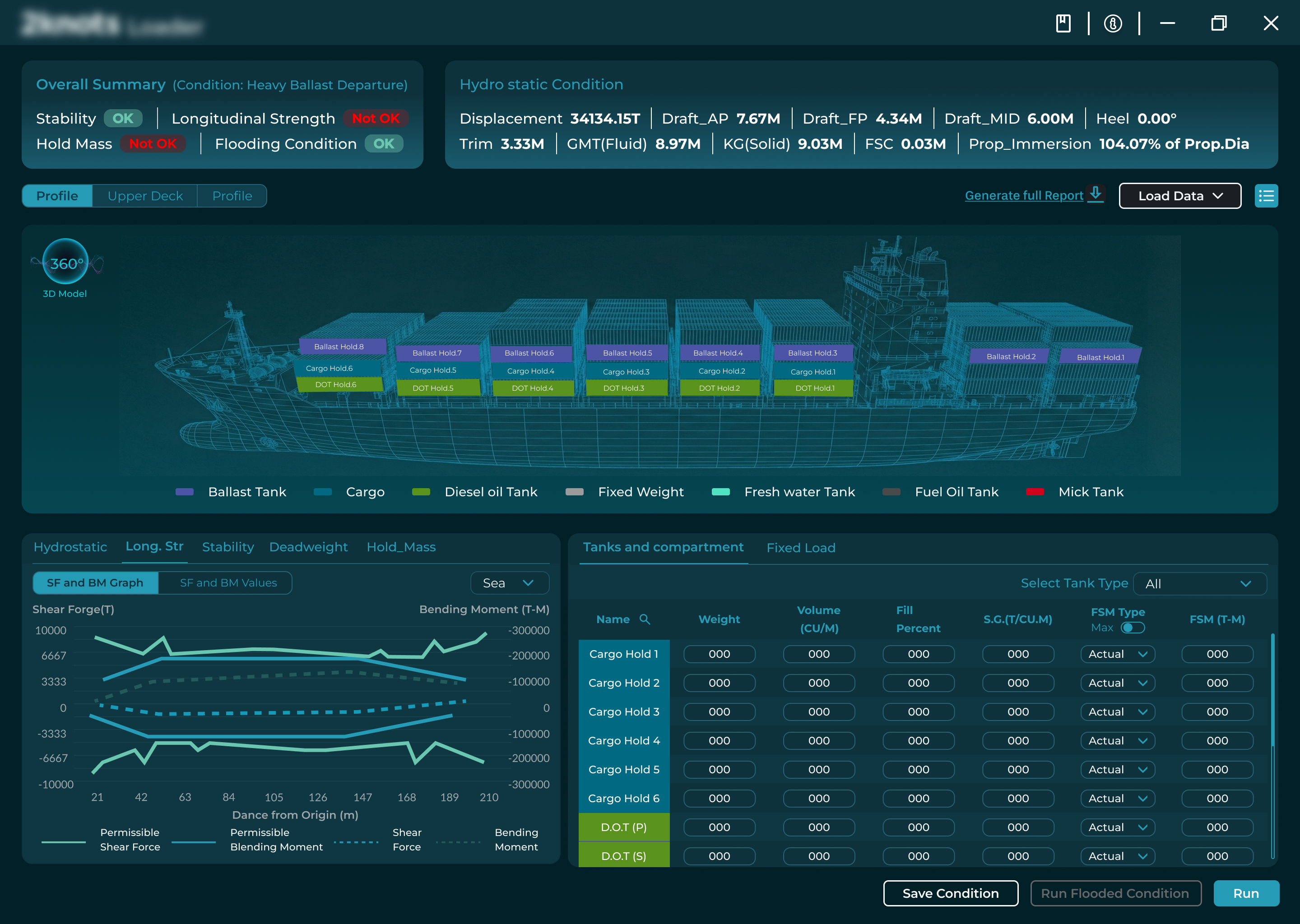
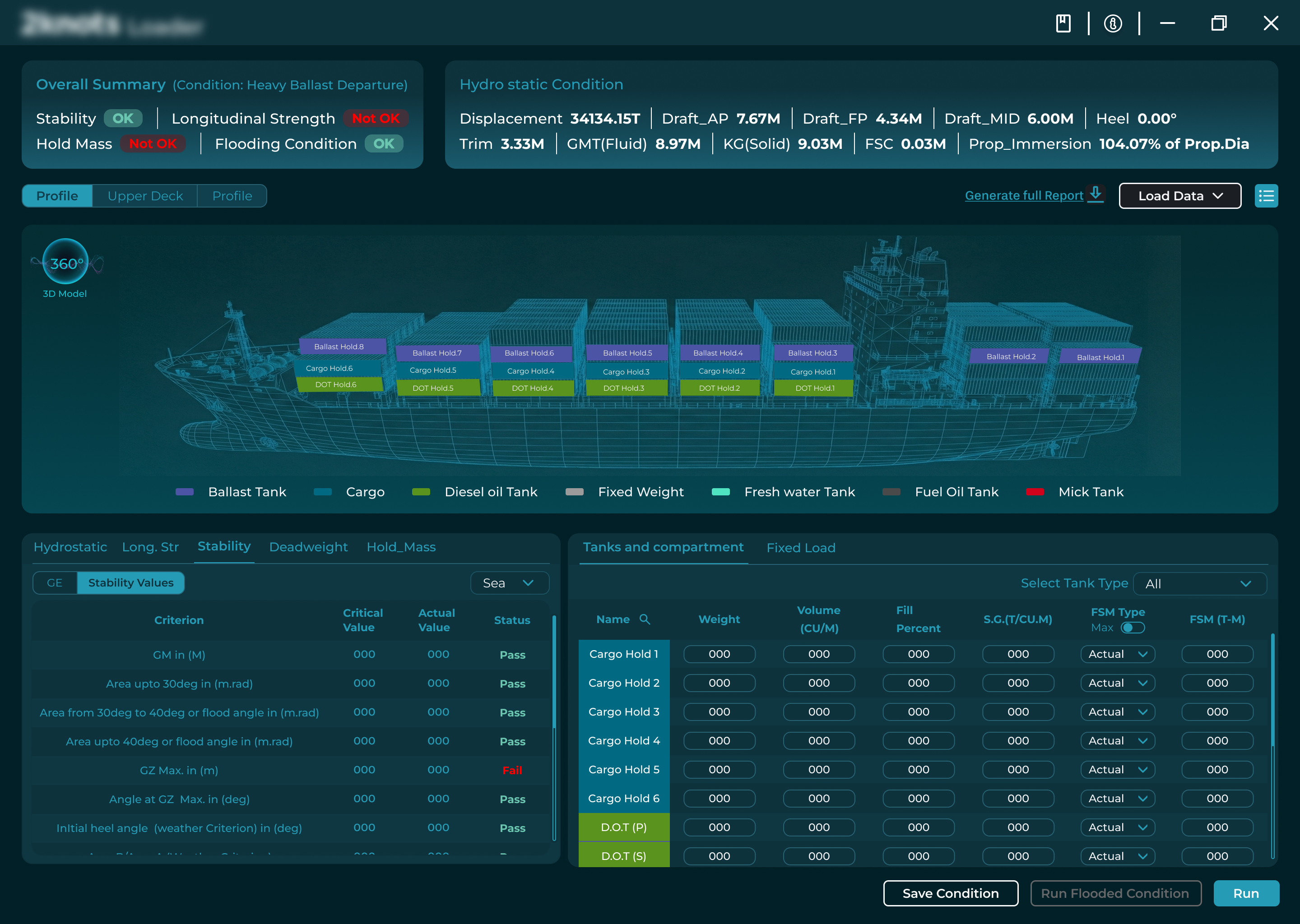
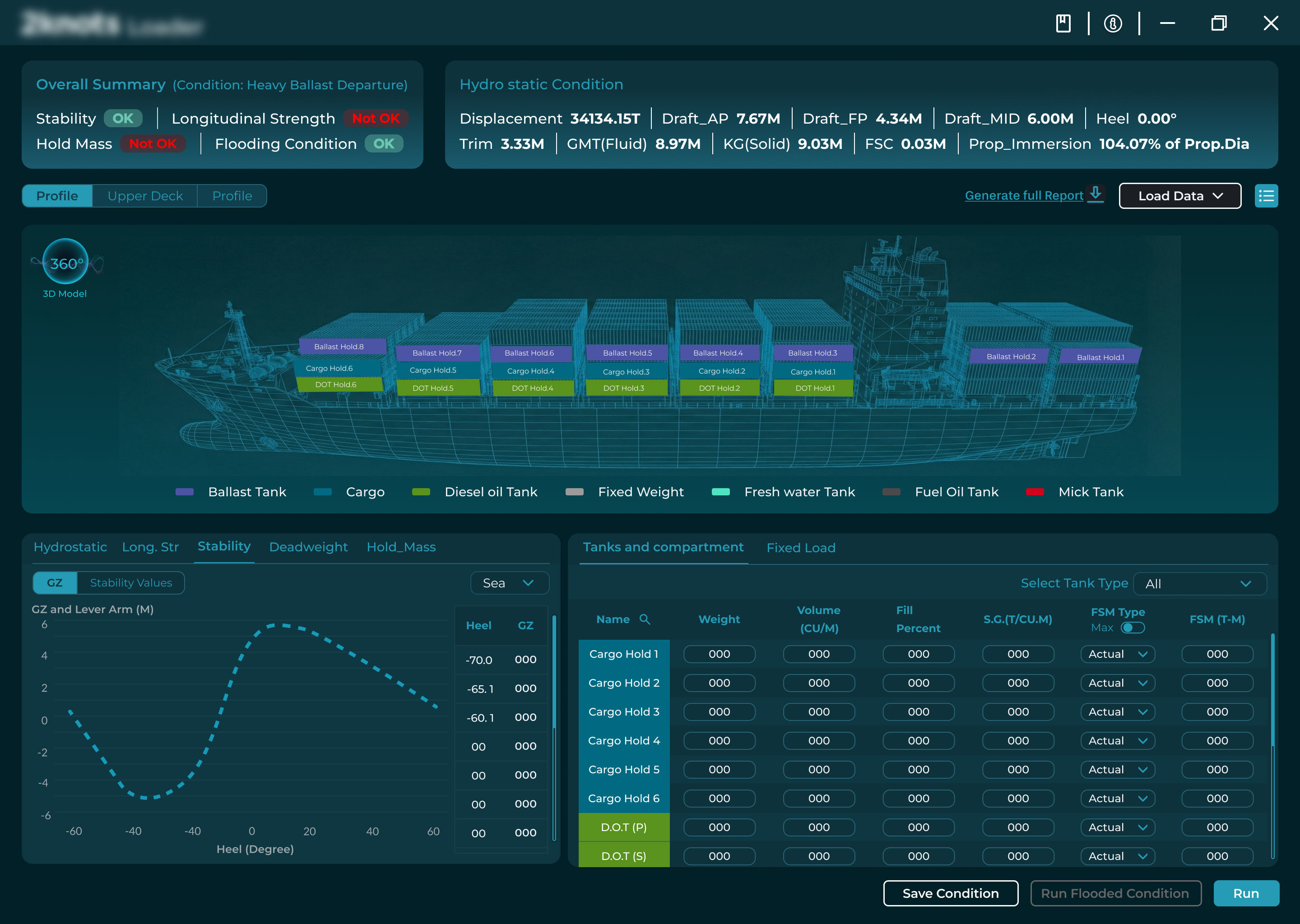
The redesigned Ship Loader interface provides a clear, high-contrast dashboard optimized for real-time cargo and stability operations in low-light maritime environments.
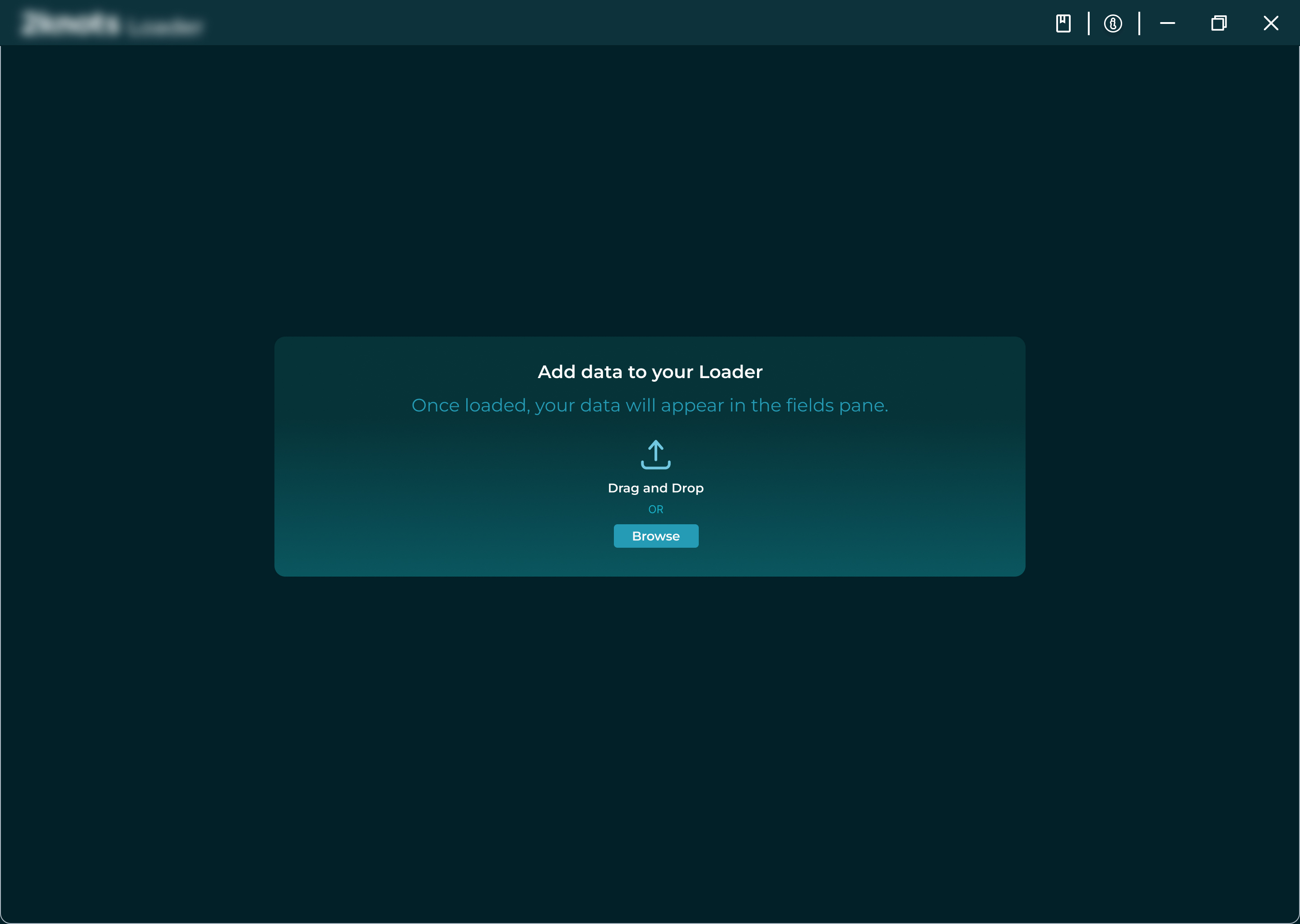
Add Data - Upload Interface
1 / 7
Business Goals
"Redesigning the Ship Loader improves operational safety, reduces loading time, minimizes errors, lowers training and support costs, and strengthens competitiveness through a modern, intuitive, and reliable user experience."
Next Project
Analytics Hub
A business analytics platform designed to help enterprise leaders monitor performance and make informed decisions.