Care Manager
Care Manager is an intelligent healthcare management platform designed from scratch to empower care managers to efficiently create, test, and monitor healthcare programs — all within one unified, data-driven system. The goal was to eliminate fragmented workflows and simplify patient management through clear visualization, flexible configurations, and an intuitive user experience.

Collaboration Overview
My Role
UX Designer
Duration
4 months
UX Team
2 UX Designers
Collaborators
Product Manager, Dev Team, Stakeholders
Problem
Before the Care Manager platform, care managers relied on disconnected tools and manual processes to identify eligible members and create care programs.
Limited Comparison
There was no simple way to compare or evaluate programs, leading to slower and less informed decisions.
Fragmented Experience
Managing multiple tools caused confusion and inefficiency — highlighting the need for one unified, intuitive platform.
Poor Visualization
Data was cluttered and difficult to interpret, making it hard for users to extract meaningful insights.
Project Brief
The goal was to build a unified, intelligent system that simplifies how care managers identify eligible members, create programs, and analyze performance—all within a single interface. Early discovery through stakeholder interviews, process audits, and competitive analysis revealed that users struggled with complex data, manual workflows, and unclear program setup, making it difficult to work efficiently or make informed decisions.
The vision centered on creating a more intuitive, scalable experience that turns large datasets and clinical criteria into clear, actionable insights. Guided by a strategic UX plan, we defined user-centered objectives such as streamlining workflows, supporting collaboration, and enhancing analytics capabilities.
Using mind maps, affinity mapping, and user flows, we highlighted core challenges like slow member identification, condition categorization issues, and inefficient member integration. These insights shaped a redesigned information architecture built around four key workflows—dashboard access, program creation, analysis, and comparison—ensuring smooth navigation and a more intelligent, flexible program management experience.
Key Focus Areas
Design Iteration
Strategic Design Choices
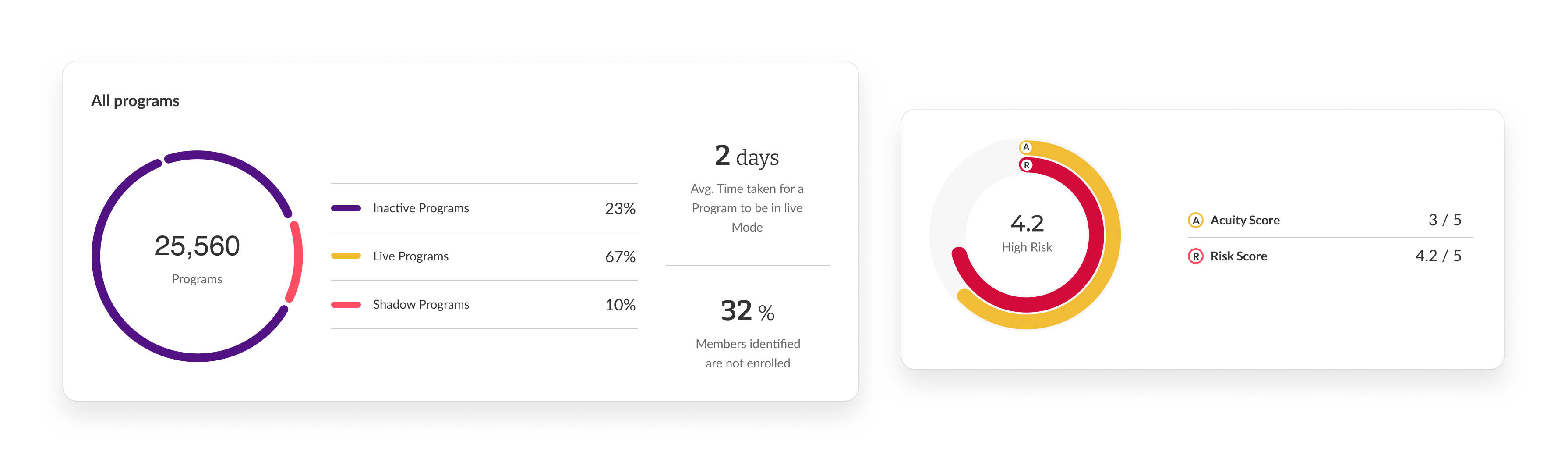
1. Card-Based Data Visualization
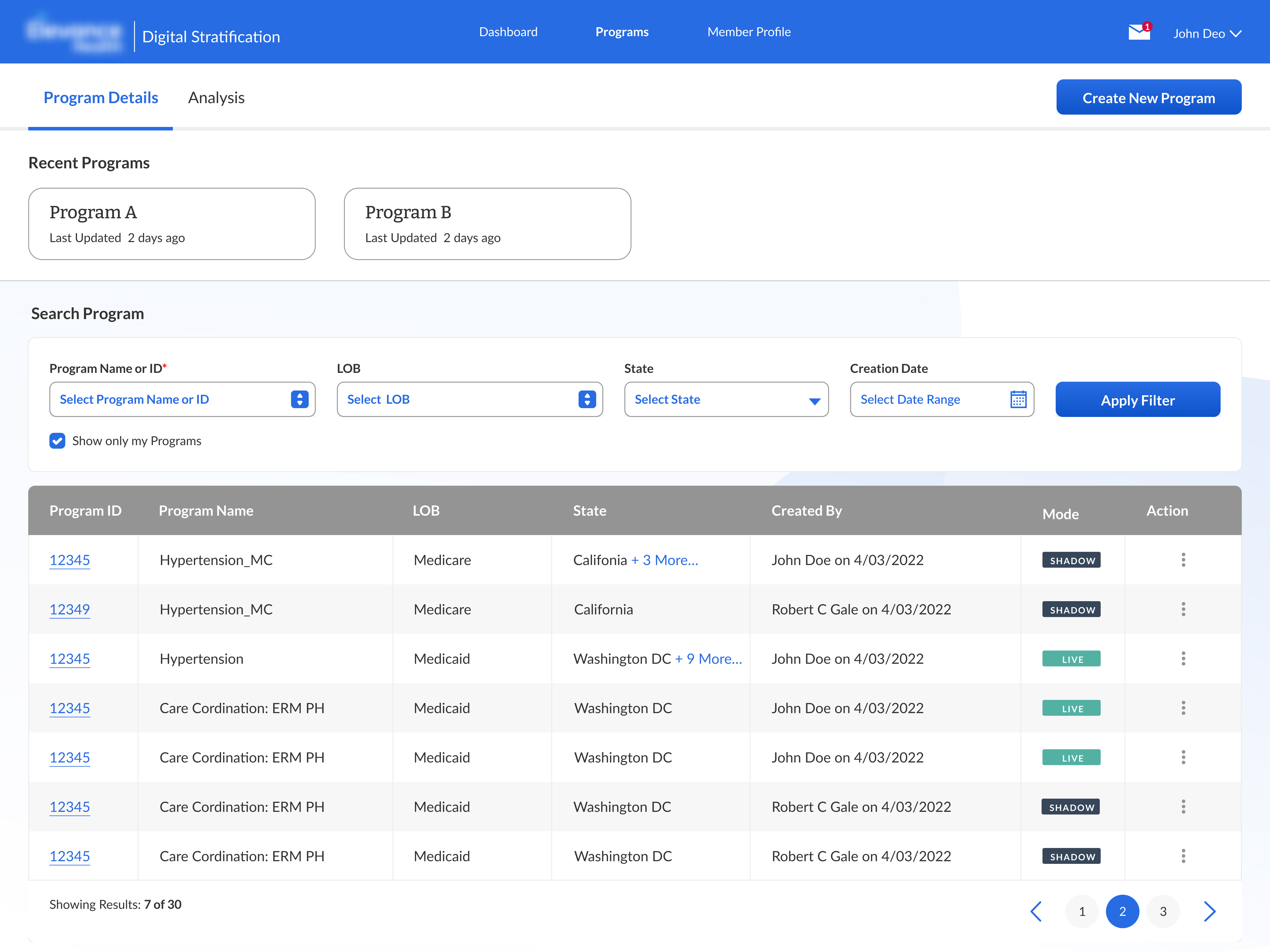
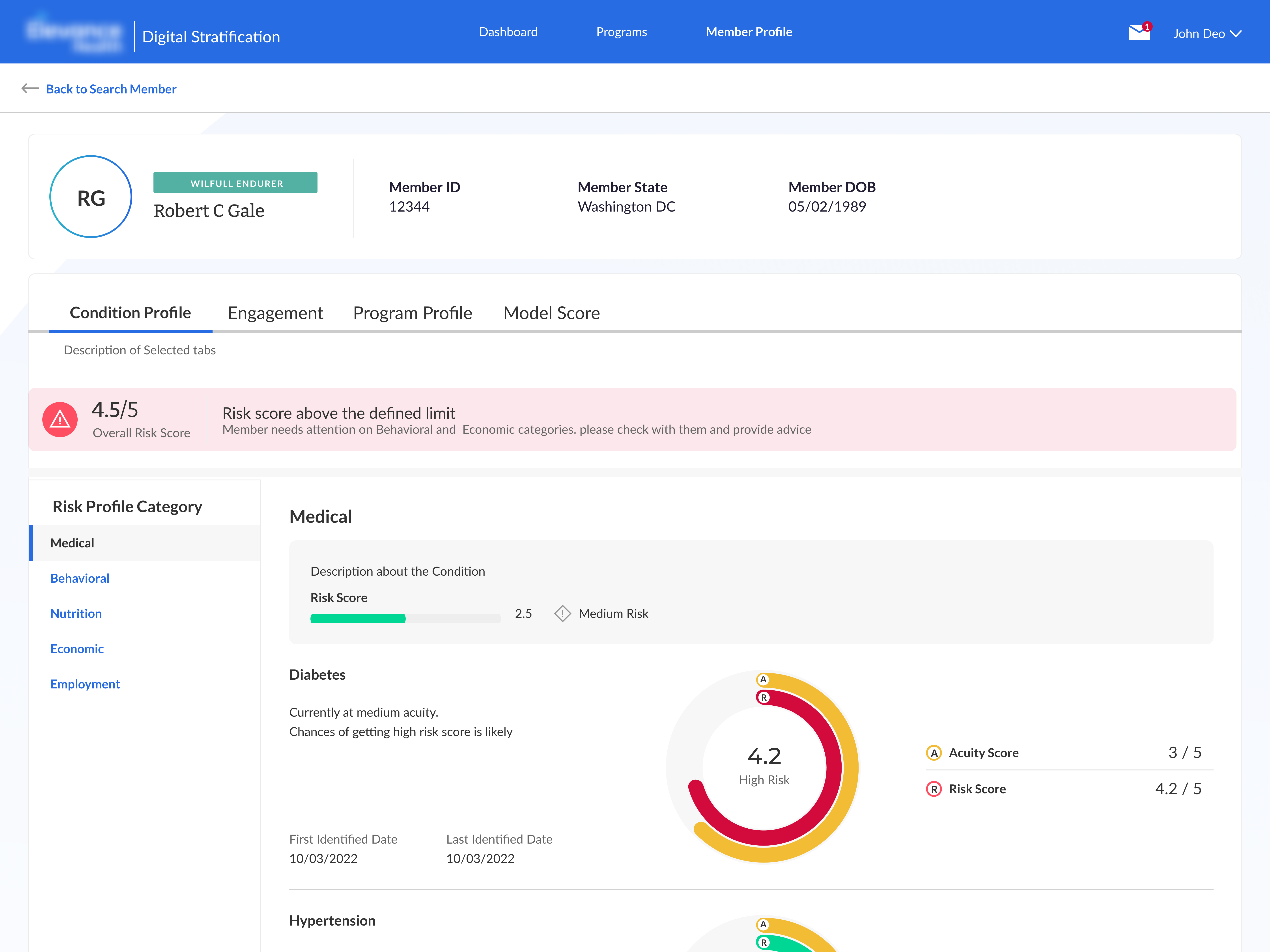
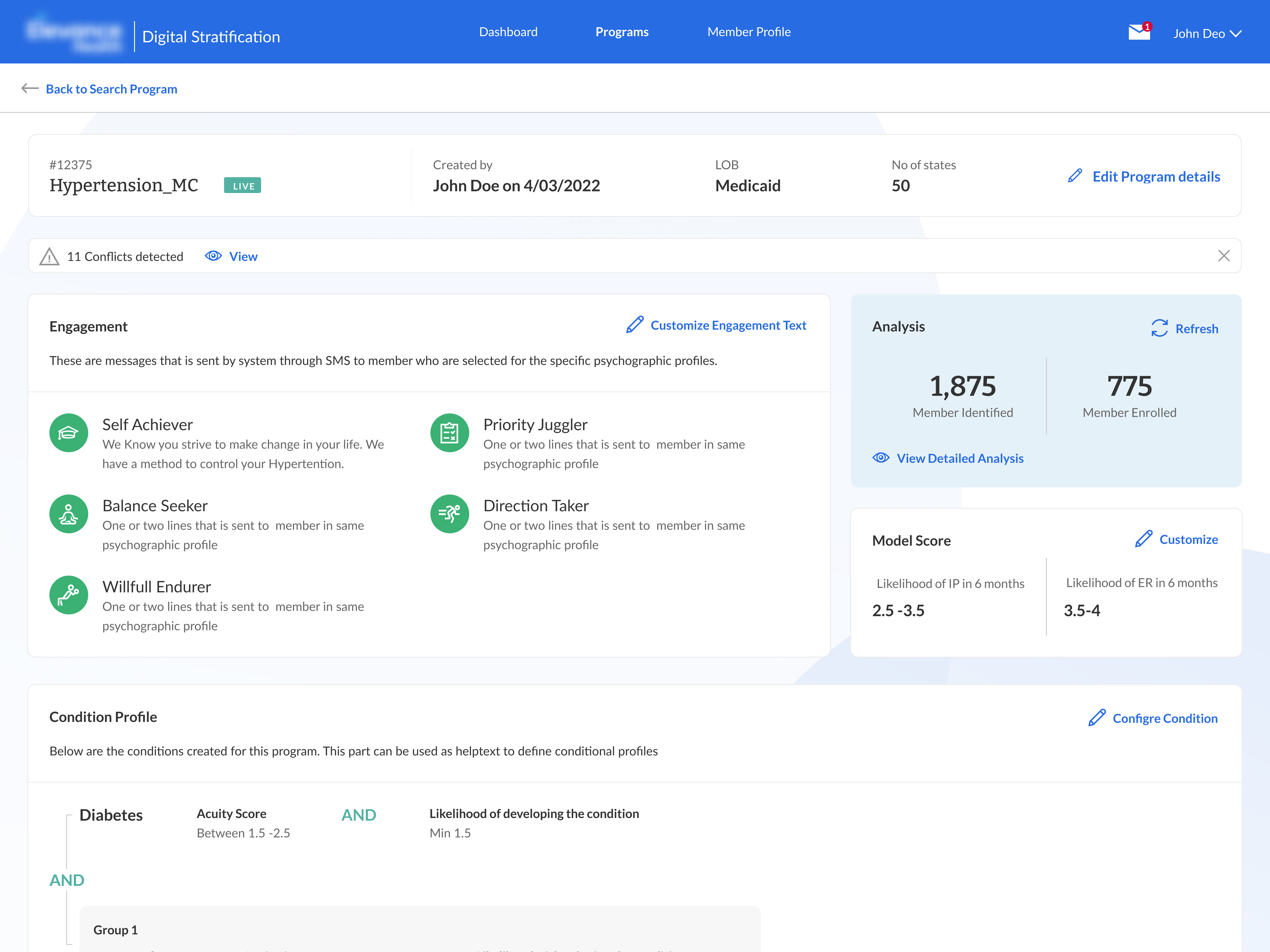
Cards presented data summaries and comparisons at a glance, making complex information more readable and actionable.
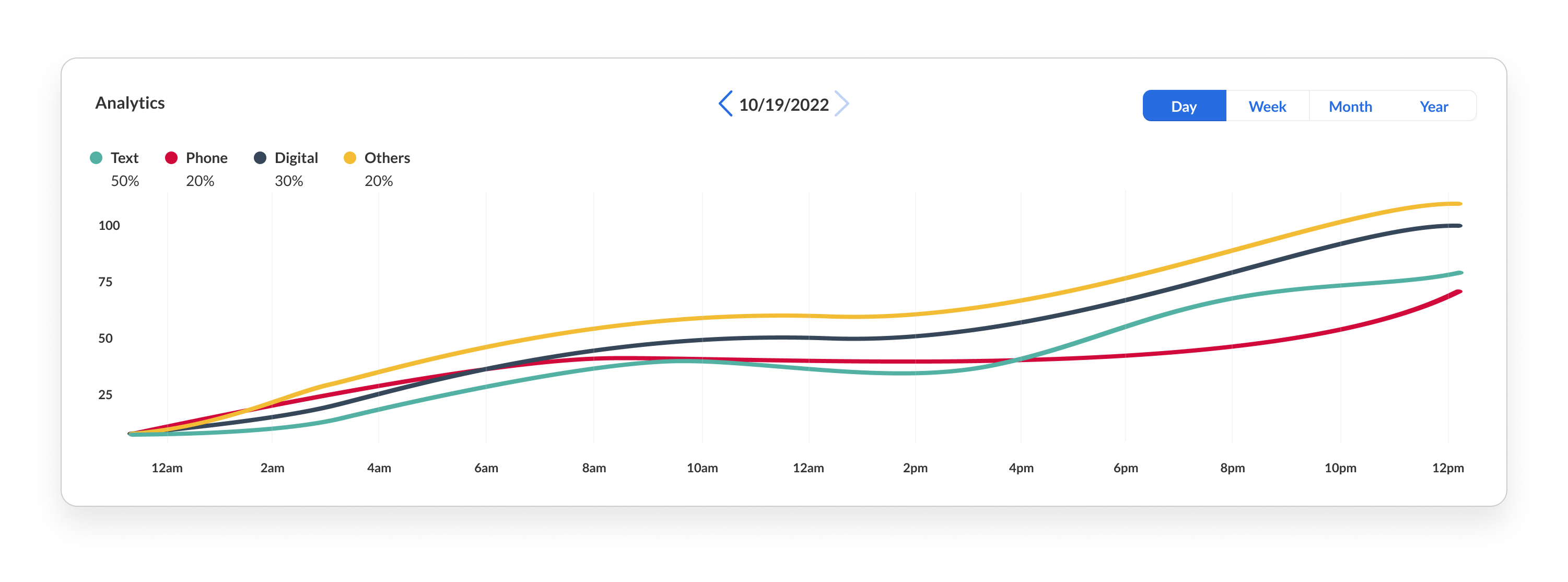
2. Line Graphs for Trends
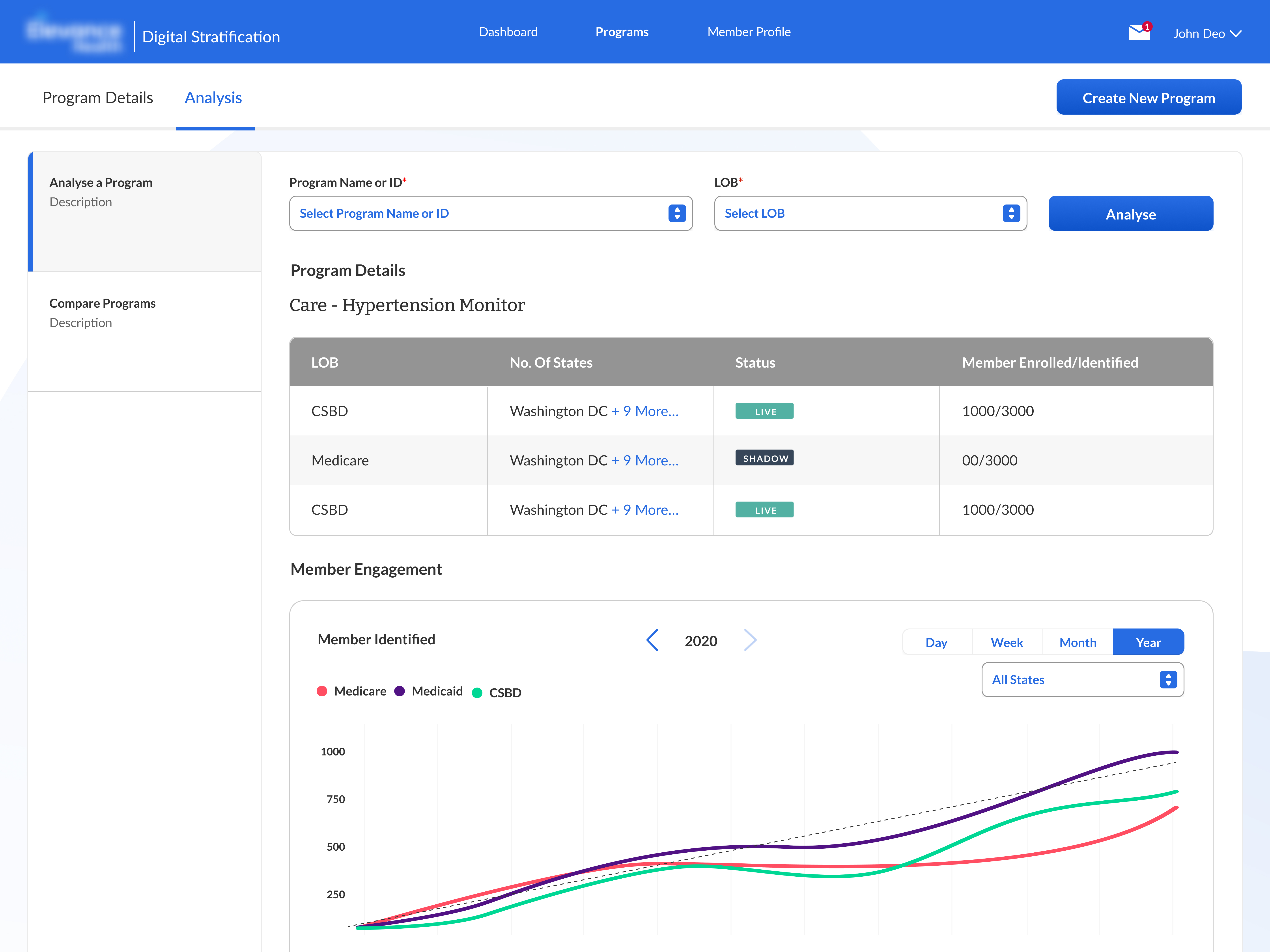
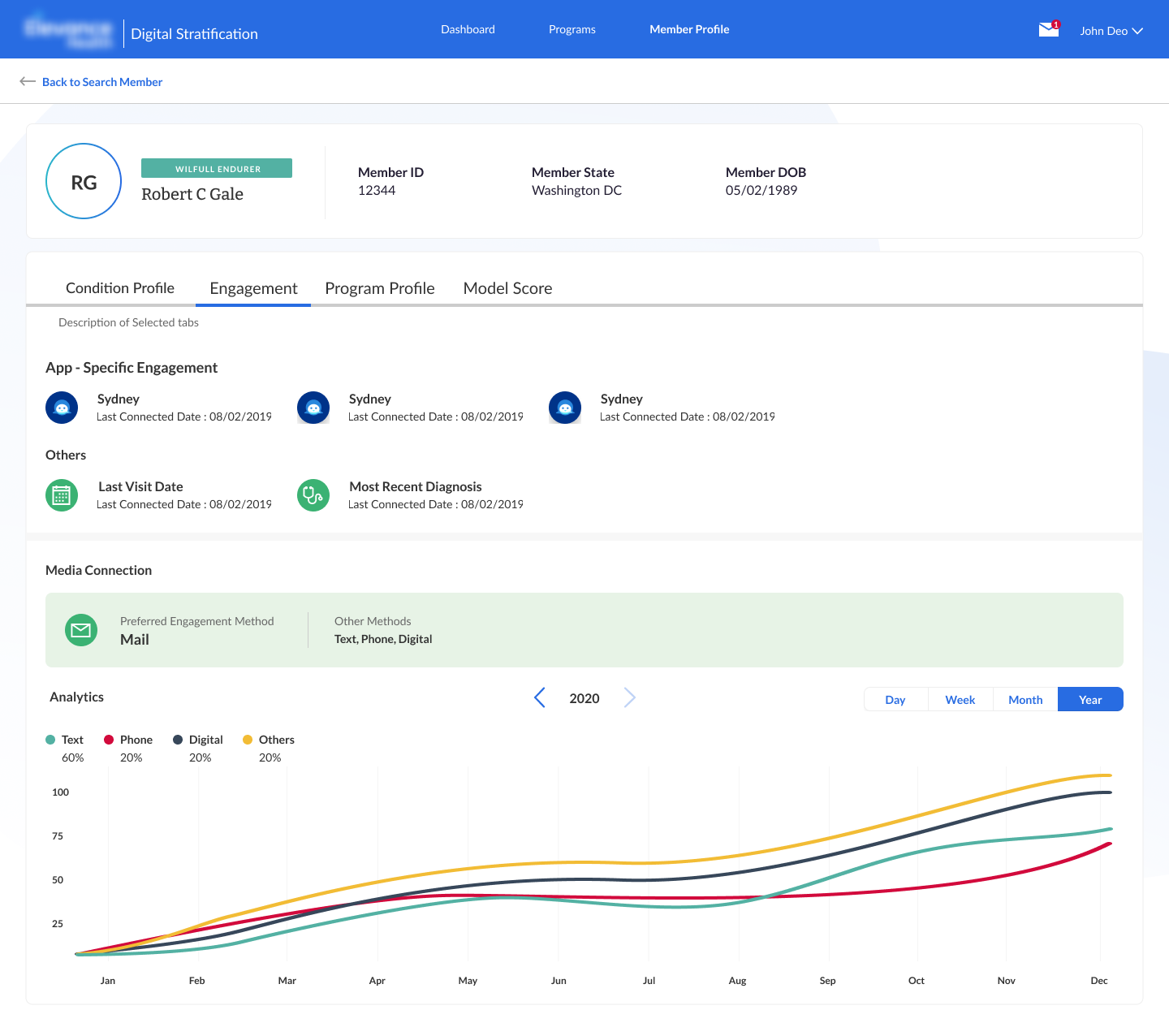
Line graphs displayed performance over time and revealed correlations between variables, improving analytical insights.
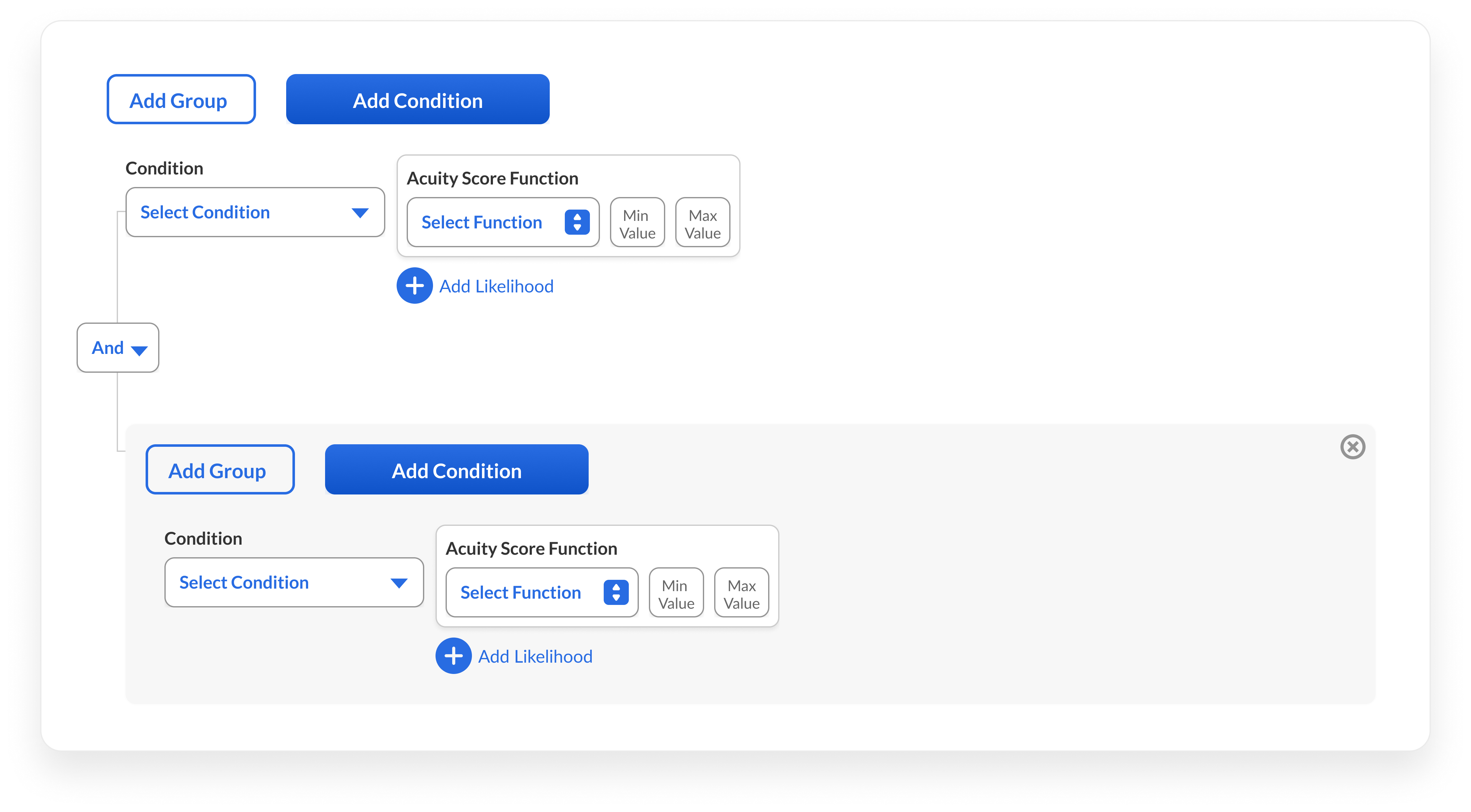
3. Simplified Rule Builder
The Rule Builder was redesigned for clarity and control — allowing users to:
- Create new rules visually.
- Define parameters and exclusions.
- Preview results instantly before saving.
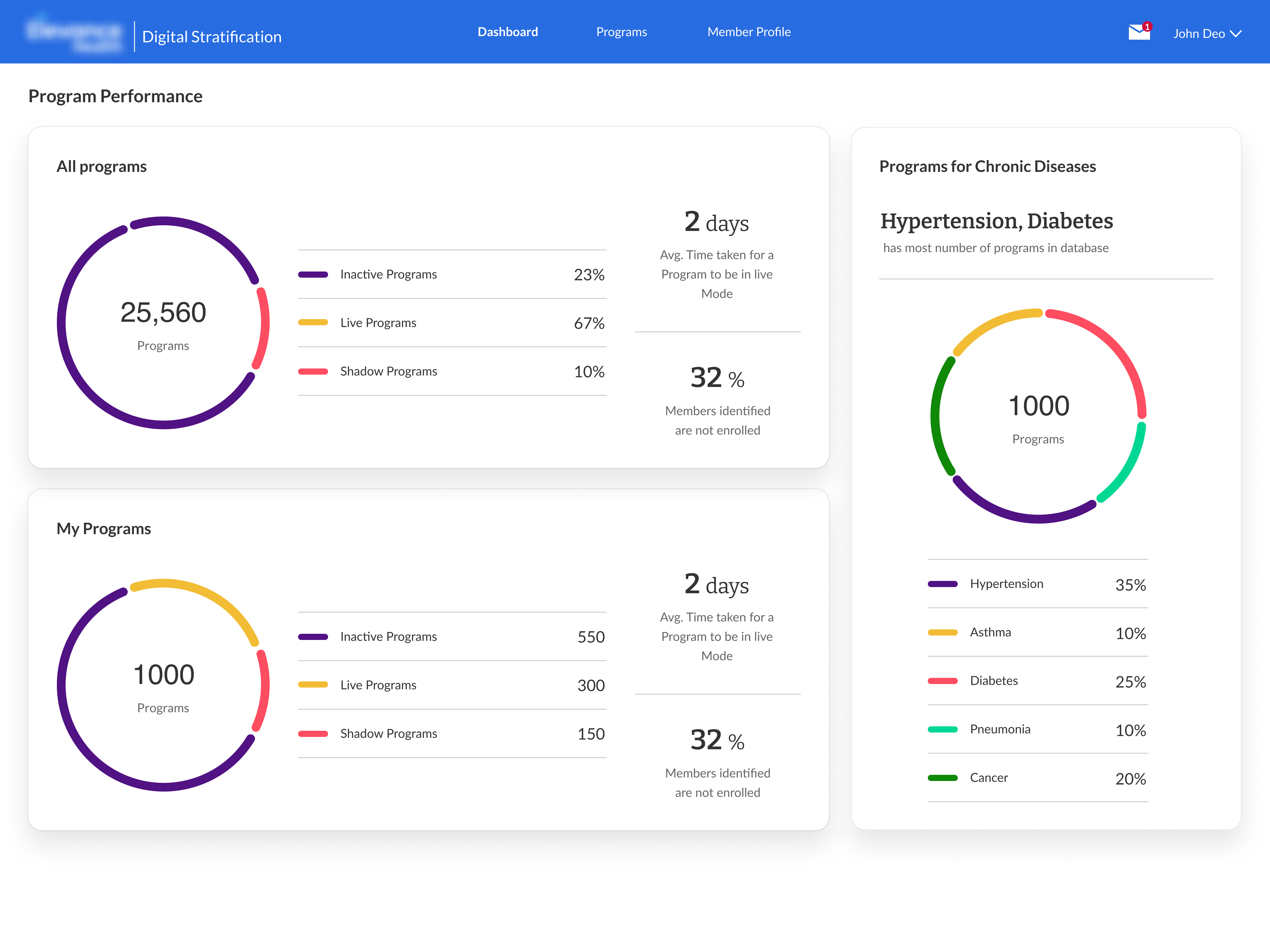
Final Design
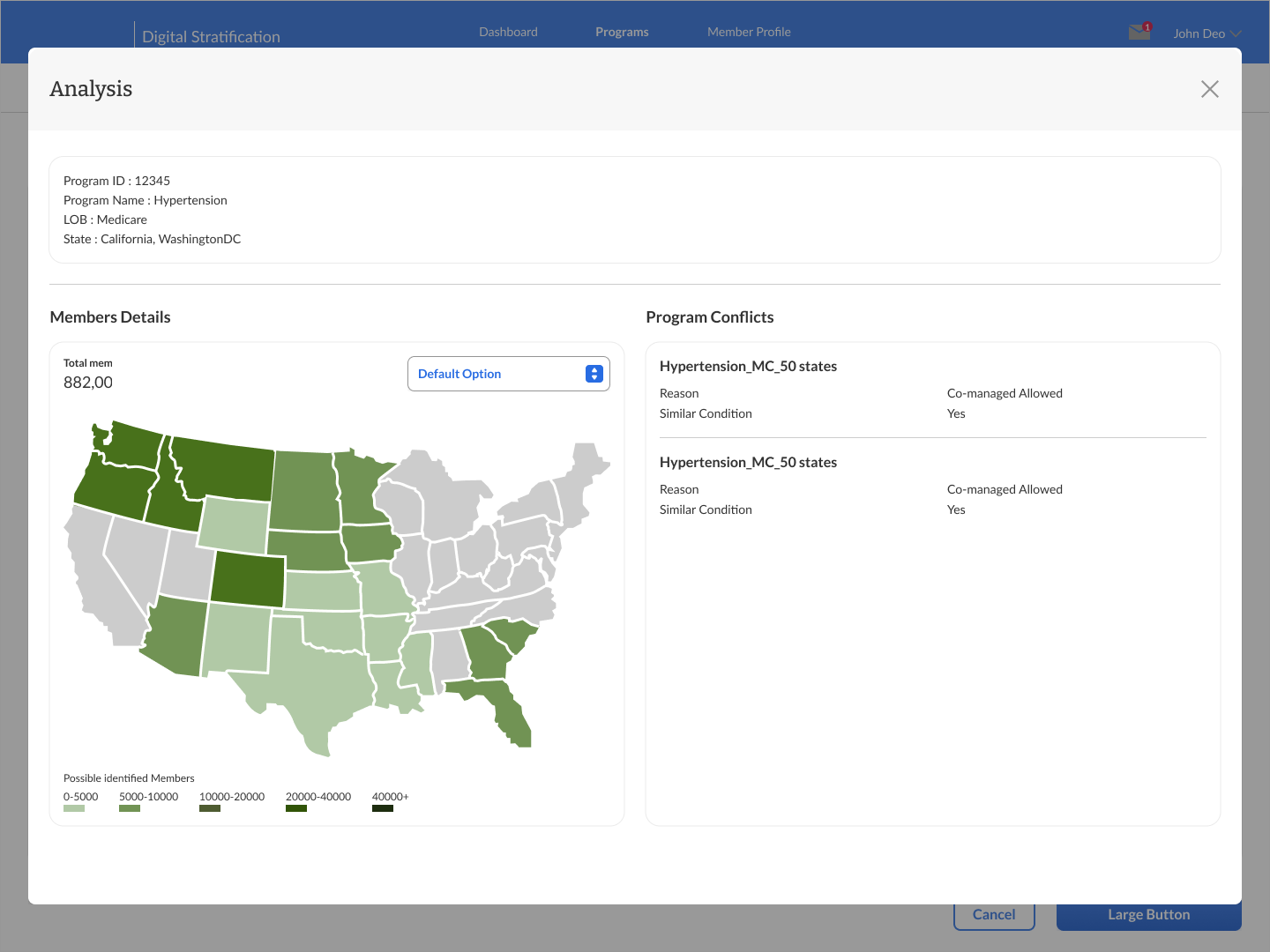
Insights were translated into high-fidelity wireframes and prototypes, focusing on clarity, hierarchy, and accessibility.
Design Highlights:
Outcome & Impact
The redesigned Care Manager platform achieved measurable improvements:
Higher adoption rates due to simplified workflows.
Improved data visibility and faster decision-making.
Scalable design framework for future program enhancements.
"Designing Care Manager reaffirmed that even in data-heavy healthcare systems, simplicity and empathy can transform complexity into clarity."
Next Project
Ship Loader
Designing a Safety-Critical Interface for Real-Time Cargo & Stability Operations.